Yes — cashews can be a healthy part of a balanced diet when eaten in moderation. They supply plant protein, mostly unsaturated (“good”) fats, and useful minerals including magnesium, copper and zinc, and they contain no cholesterol. The two caveats: cashews are calorie-dense, so portion size matters, and they are a common tree-nut allergen that can cause serious reactions in sensitive people. This page gives a clear, cautious look at cashew nutrition, the minerals that stand out, their heart-health role, the allergy warning, and sensible portions.
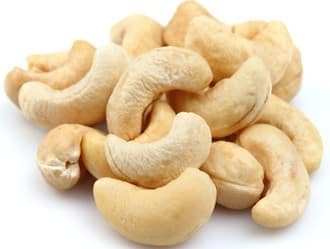
Are Cashews Healthy?
For most people, a handful of unsalted cashews is a nutritious snack: satisfying protein and fat with a range of minerals. Like all nuts they are energy-dense, so they suit portion-controlled snacking rather than eating by the bagful. Choosing unsalted or lightly salted kernels keeps sodium down.
Nutrition and Macros
The figures below are for a standard 28 g (1 oz) serving of raw cashew kernels (values are approximate, per USDA FoodData Central, and vary by source and roast).
| Per 28 g (1 oz), raw | Amount |
|---|---|
| Calories | ~155 kcal |
| Protein | ~5.1 g |
| Fat (mostly unsaturated) | ~12.3 g |
| Carbohydrates | ~8.5 g |
| Magnesium | ~82 mg |
| Copper | ~0.6 mg |
| Zinc | ~1.6 mg |
Indicative values based on USDA data; roasted and salted cashews differ.
Key Minerals
Cashews are a standout source of copper and magnesium and a good source of zinc. Copper supports iron metabolism and connective tissue; magnesium is involved in hundreds of enzyme reactions, nerve and muscle function; zinc supports immunity and DNA synthesis. A single serving contributes a meaningful share of daily needs for all three.
Heart-Health Benefits
Most of the fat in cashews is unsaturated, and nut-rich diets are broadly associated with better cardiovascular markers. Evidence specific to cashews is more limited and mixed than for some other nuts, so it is fair to say cashews fit a heart-healthy pattern rather than to claim they cure or prevent disease. Eating them unsalted, in place of less healthy snacks, is the sensible framing.
Allergy and Safety Caution
Cashew is a tree nut and a recognised allergen. Reactions can range from mild (itching, hives) to severe anaphylaxis, which is a medical emergency. Anyone with a known tree-nut allergy should avoid cashews and carry prescribed emergency medication. This page is general information, not medical advice.
How Many Cashews Per Day
A reasonable portion is about 28–30 g — roughly a small handful (15–18 kernels). That delivers the minerals and satiety without excess calories. If you are watching weight or sodium, stick to unsalted kernels and keep to a single portion. For what the kernel actually is, see cashew kernels; for the botanical overview, cashew nuts; and for a curated market/quality view, cashew nut kernel insights.
Frequently Asked Questions
How many cashews should I eat a day? About a 28–30 g portion — a small handful, roughly 15–18 kernels. That provides useful protein and minerals without too many calories. Choose unsalted where possible.
Are cashews good for weight loss? They can fit a weight-management diet: their protein, fat and fibre are filling, which may curb snacking. But they are calorie-dense, so portion control is essential — a handful, not a bowl.
Are cashews good for your heart? Their unsaturated fats and minerals fit a heart-healthy eating pattern, and nut-rich diets are broadly linked with better cardiovascular markers. Eat them unsalted and in moderation; they are part of a good diet, not a cure.
Can cashews cause allergies? Yes. Cashew is a common tree-nut allergen and can cause reactions up to and including anaphylaxis. People with tree-nut allergies should avoid them and carry emergency medication as advised by a doctor.