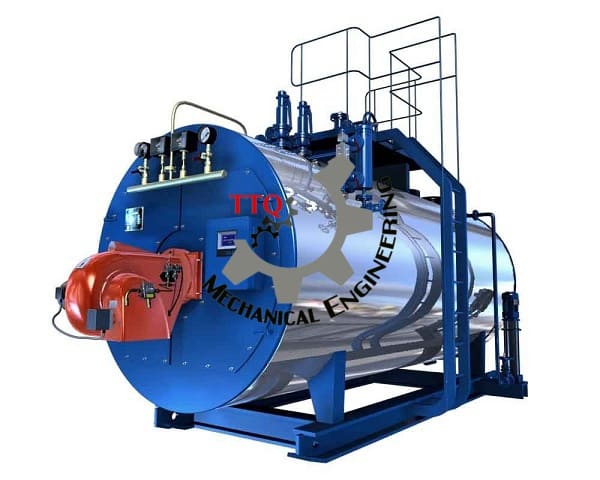
Cashew Shell Burner — Biomass Furnace from Shell Waste
Steam generation for the rest of the line.
A cashew shell burner turns the one waste stream every processing plant produces — the hard shell left after cutting — into free fuel for the factory’s own steam and hot air. Cashew shell is a genuine biomass fuel with a net heating value of around 18.9 MJ/kg (roughly 4,500 kcal/kg), and a single plant generates tonnes of it every day. Instead of paying for wood, diesel, or gas to raise the steam for steaming and the heat for drying, a shell burner feeds that heat from your own by-product: the shell that used to be a disposal problem becomes the energy that runs the line.
This is different from a conventional biomass boiler that burns bought-in wood chips or pellets. A shell burner is engineered specifically to burn cashew shell — oily, high in energy, and awkward in an ordinary furnace — cleanly and steadily, so the waste you already have does the work.
Why Burn Cashew Shell?
The economics are simple: the fuel is free and already on site. Cashew shell contains cashew nut shell liquid (CNSL) at roughly 25–35% of its mass, an oil with a heat value close to light fuel oil, which is what gives the shell its high calorific value. Every tonne of raw nuts leaves behind a large mass of shell, so a working plant produces far more shell than it could ever pay to dispose of — and burning it for process heat both removes the disposal cost and replaces the fuel bill. One documented biomass pilot using cashew shells reported an energy-cost cut of around 83% against the prior fuel. For a processor watching margins, turning waste into energy is one of the clearest savings on the floor.
Cashew Shell Burner vs Wood-Chip / Pellet Boiler
Both raise heat from biomass, but they are not the same machine. The table makes the distinction clear.
| Cashew shell burner | Wood-chip / pellet biomass boiler | |
|---|---|---|
| Fuel | Your own cashew shell waste | Purchased wood chips or pellets |
| Fuel cost | Free (already on site) | Bought and delivered |
| Waste handling | Consumes your disposal problem | Separate |
| Best when | You process cashews and generate shell | You have no shell but cheap wood |
| Circular? | Yes — closes the loop | No |
Many plants run a shell burner as the primary heat source and keep a wood-chip/pellet boiler or the mains as backup. The two are complementary, not competing.
How It Works
Cashew shell is fed into a furnace designed for its oily, high-energy nature, where it burns steadily to raise hot flue gas or steam. That heat is then delivered where the plant needs it — steam to the steaming machine and boiler circuit, and hot air to the dryer and moisture cabin. Because raw shell contains CNSL, the burner is built to handle the oil cleanly rather than fouling like an ordinary wood furnace; plants that first extract CNSL can burn the de-oiled shell cake instead, which is drier and easier to fire while the extracted oil is sold. Either way, the shell’s energy is captured rather than wasted. See the cashew shell and shell-liquid extraction pages for how the by-product is handled and monetised.
Where It Fits in the Plant
The shell burner sits in the utilities heart of the factory, feeding the two most energy-hungry stages: conditioning (steaming) and drying. In a turnkey plant, it is sized to the line’s total steam and heat demand and integrated with the boiler circuit and the electrical control panel at the design stage, so the whole utility system works as one. For a plant already producing shell, adding a burner is often the fastest-paying upgrade on the site.
The same shell fuel drives three delivery forms: steam (this burner and the boiler), hot air for rainy-season RCN drying via the hot air generator (HAG), and direct heat for conditioning raw nuts on the shell-fired RCN roaster — one waste stream, three ways to run the plant. (For the plant’s electricity, and whether solar makes sense, see should you go solar?.)
Request a Quote
Tell us your plant capacity and steam/heat demand, and we will size a shell burner and quote it. Request a quote or book a consultation, or message us directly on WhatsApp from the button in the corner of any page.
Frequently Asked Questions
What is a cashew shell burner? It is a biomass furnace designed to burn the cashew shell left over after cutting, turning that waste into heat for the plant’s steaming and drying. Cashew shell has a heating value of about 18.9 MJ/kg, so a plant’s own by-product can fuel its most energy-hungry stages.
How is it different from a wood-chip or pellet biomass boiler? A pellet boiler burns purchased wood fuel; a shell burner burns the free cashew shell you already produce. The shell burner removes a disposal cost and a fuel bill at the same time, closing the energy loop.
Can burning shell really cut fuel costs? Yes. The fuel is free and on site, and the shell is energy-dense thanks to its CNSL oil content (25–35% of the shell). Documented biomass-from-shell projects have cut energy costs dramatically — one pilot by around 83%.
Do I have to extract the CNSL first? No. A shell burner is built to fire raw, oily shell cleanly. If you do extract CNSL, you can burn the de-oiled shell cake instead — drier and easier to fire — and sell the extracted oil separately.
What does it power in the plant? Mainly the steam for conditioning (steaming/boiling) and the hot air for drying — the two most energy-hungry stages. It is sized to the plant’s total heat demand and integrated with the boiler and electrical systems.