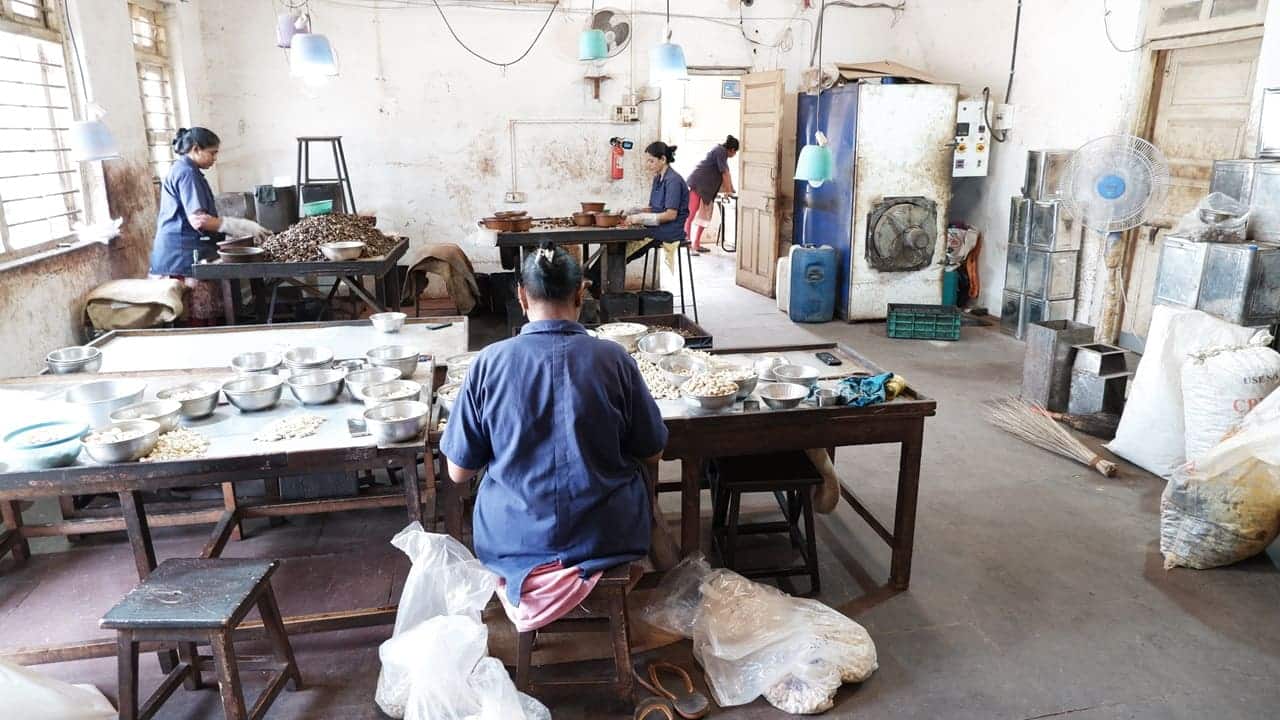
Small-Scale Cashew Nut Processing Machine & Mini Plant
A full small-scale plant in one footprint.
A small-scale cashew nut processing setup is a compact line of units that takes raw nuts through to peeled, dried kernels — the right size for a startup, a farmer-processor, or an artisanal unit that does not need an industrial plant. Instead of a large hall of equipment, it packs the essential stages — conditioning, cutting, drying, and peeling — into a compact set of motorised, stainless-steel machinery that a small team can run. This page walks through what a small unit includes, the real capacity of each machine, and how to grow the setup as demand rises.
Small-scale processing lowers the barrier to entry: a modest budget and a small floor are enough to turn raw cashews into a saleable, graded product, and the same layout scales up cleanly when the business is ready.
What a Small-Scale Cashew Unit Is
A small unit is the full cashew processing sequence, shrunk. It performs the same jobs an industrial factory does — condition, cut, dry, and peel — but at a fraction of the throughput and cost, using compact units rather than long automated lines. The goal is a complete, working flow from raw nut to peeled kernel on a small footprint, so an operator can produce a market-ready product without the capital of a large processing plant. It suits anyone testing the business, processing a local cashew harvest, or building toward a bigger operation in stages.
The Machine Line-up
A typical small-scale unit is built from a short list of units, each sized down from its industrial cousin:
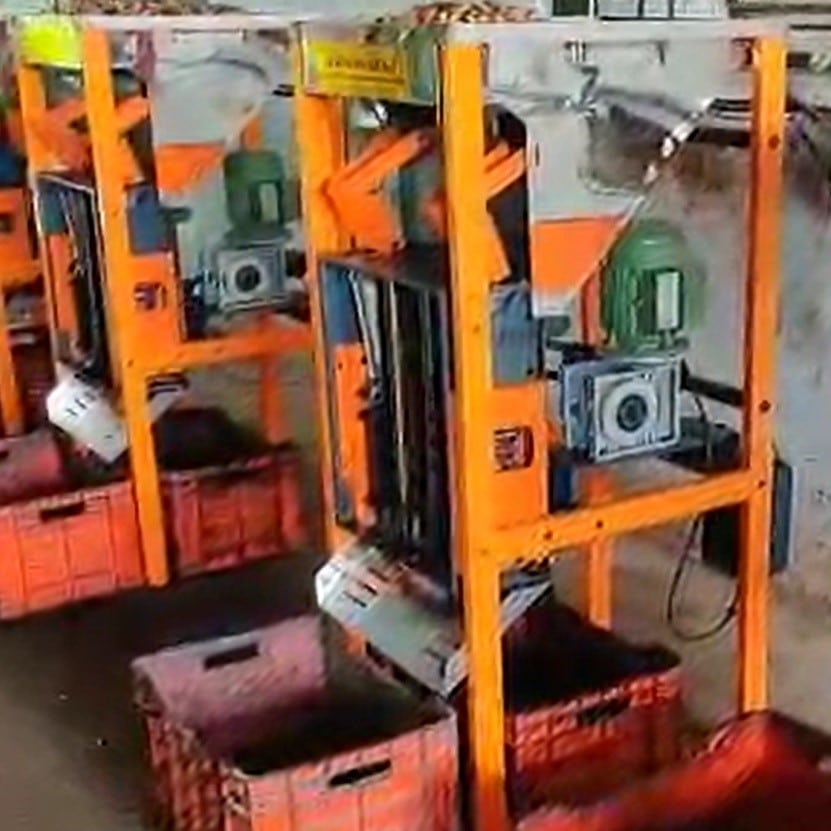
3-head vertical cutting machine: opens the shell — the heart of the unit.
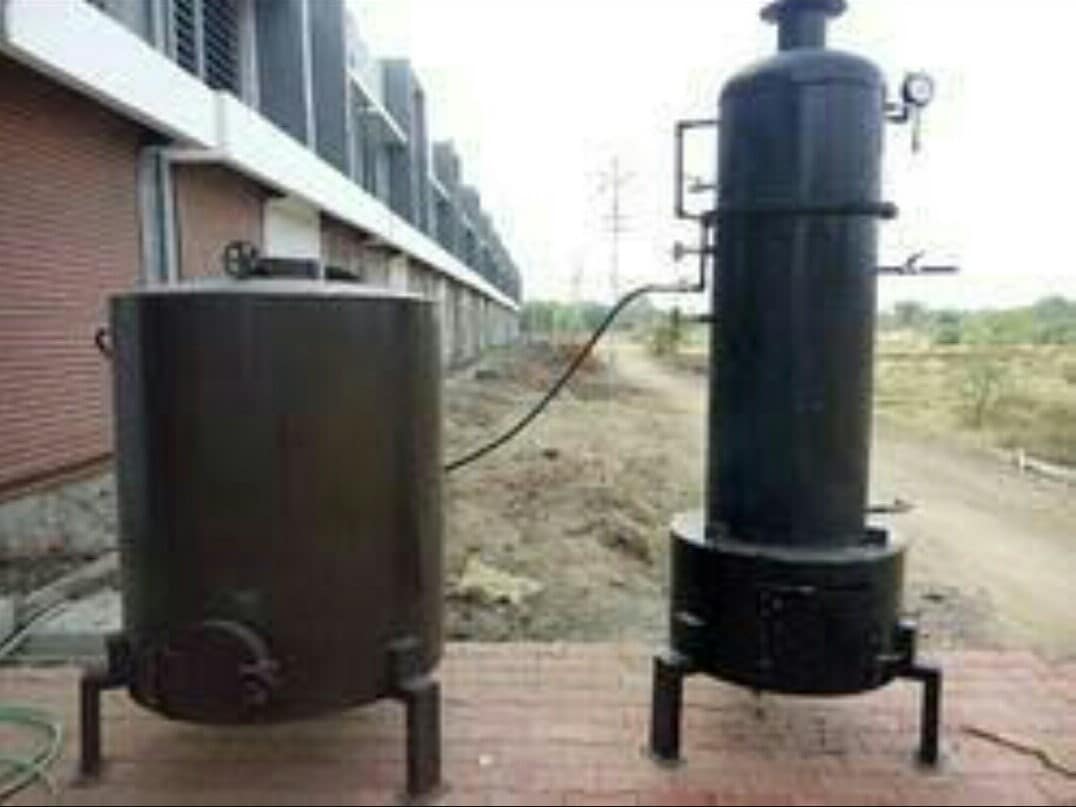
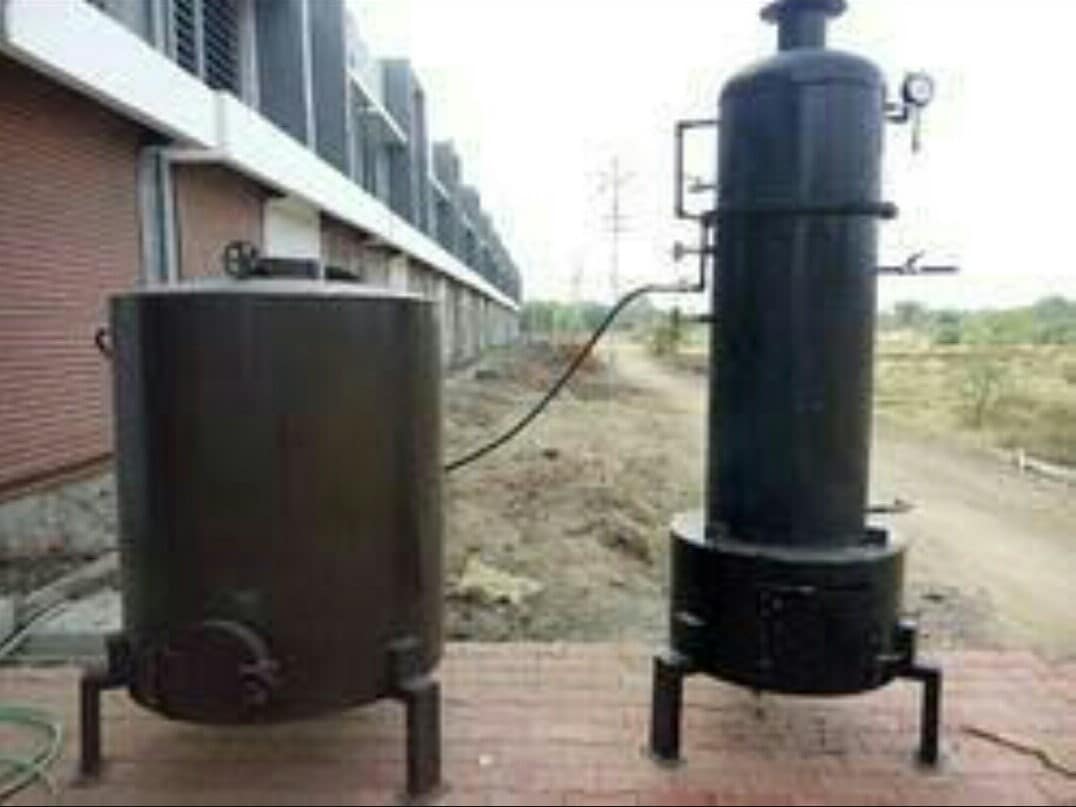
Cashew cooking system: a small steaming or boiling setup that conditions raw nuts before cutting, the same role the cashew steaming machine plays at industrial scale.
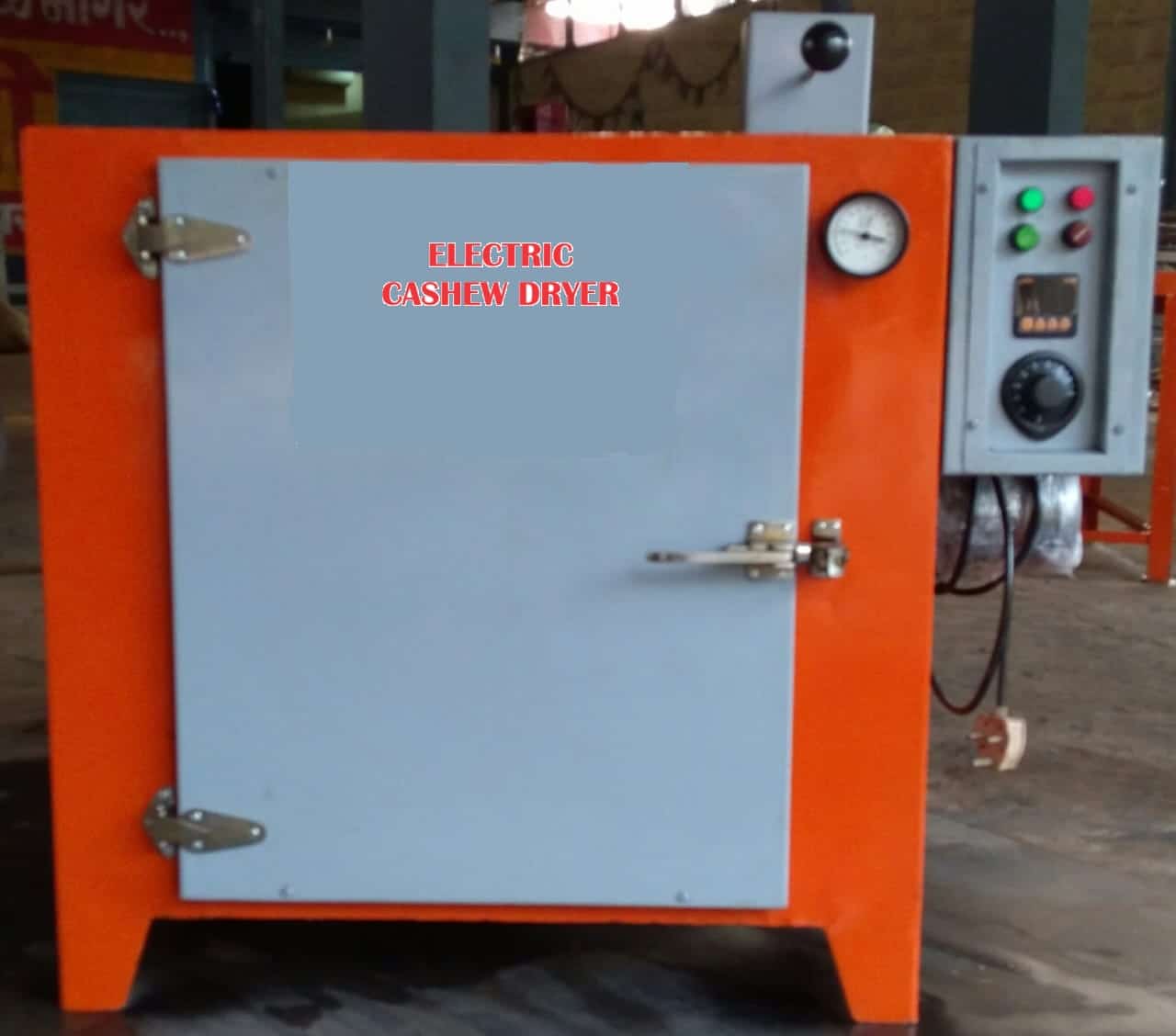
Electric dryer and moisture cabin: dries the kernel after cutting so the skin peels cleanly, then finishes moisture before storage.
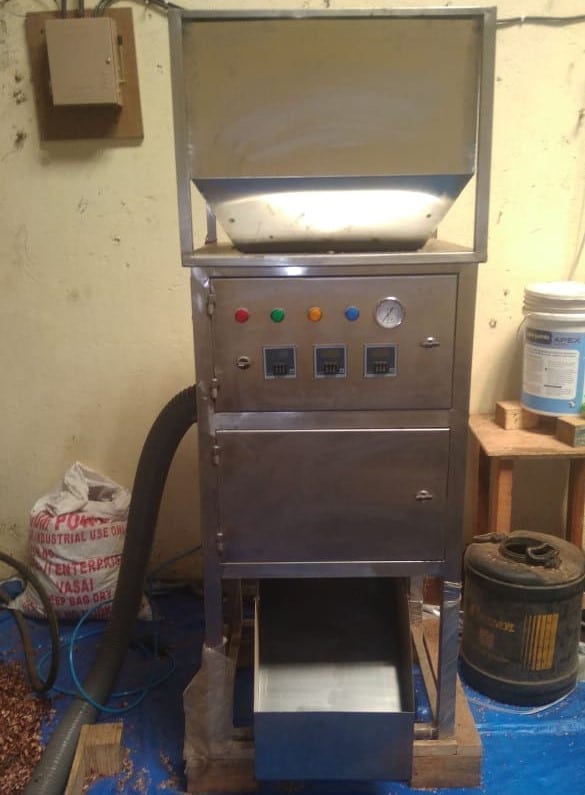
Cashew peeling machine: strips the testa from the kernel.
Screw air compressor: drives the air-blast that clears loosened skin off the kernel at the peeler — undersized here and the peeler underperforms, just as at full scale.
Bought together, these units make a balanced mini line; bought one at a time, they let an operator add capacity stage by stage as the budget allows.
The Cutting Machine
At the heart of the unit is the cutting stage. A 3-head vertical cutter runs on a 0.5 to 1 Hp motor (single or 3-phase) and opens 150 to 180 kg of raw nuts per hour, with a stainless-steel body, replaceable blades, and adjustable blade pressure so it holds a good whole-kernel rate across different nut sizes. This stage is where whole-kernel value is won, so even at small scale it is worth doing well.
Drying and Moisture Control
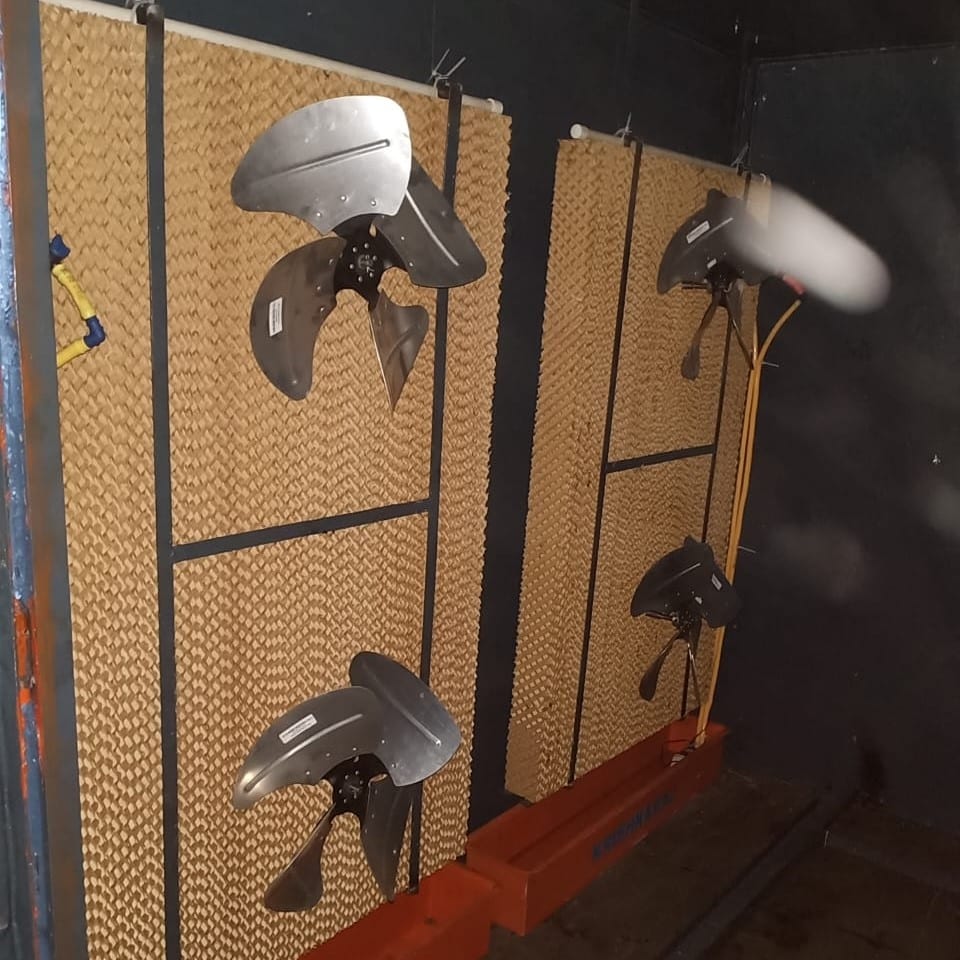
Drying is done twice — after cutting so the skin peels, and again at the end so the kernels store safely. The electric dryer handles 40 kg to 2 tons, with a stainless or aluminium tray, digital display, and a safety cutoff to stop nuts scorching. A foldable moisture cabin, 100 kg to 5 tons, finishes conditioning in around two hours and runs on a single-phase supply — a low-cost, space-saving way to bring moisture back to the right level before peeling.
Peeling
Small peeling units come in 50 kg and 100 kg capacities, in stainless steel, and use the same rubbing-and-air action as an industrial peeler to lift the skin with a low broken percentage. Peeling is the most labour-heavy job to do by hand, so even a small machine repays itself quickly in saved labour and steadier grade.
Capacity at a Glance
| Stage | Small-unit machine | Capacity |
|---|---|---|
| Cutting | 3-head vertical cutter | 150–180 kg/hr raw, 0.5–1 Hp |
| Drying | Electric dryer | 40 kg – 2 tons |
| Conditioning | Moisture cabin | 100 kg – 5 tons, ~2 hours |
| Peeling | Small peeler | 50 kg or 100 kg |
Matched this way, the units balance so no stage bottlenecks the others, and the whole unit runs on a modest power supply.
Semi-Automatic by Design
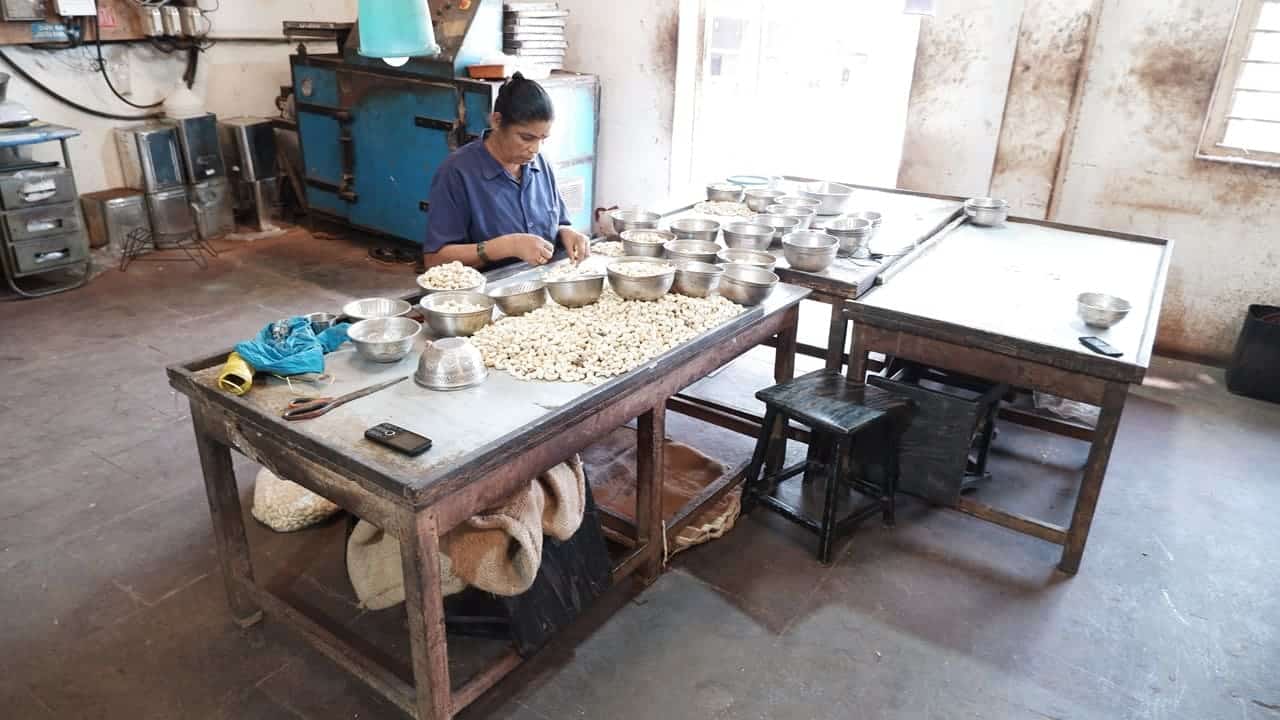
Small units are usually manual or semi-automatic: an operator feeds and clears each machine while the powered action does the hard work. That keeps the cost low and the units simple to run and maintain — important when there is no dedicated engineer on site. Most small operators start hand-fed and add automatic conveying between stages only once volume justifies it.
Scaling Up
The best small units are built to grow. Because each machine is a compact version of an industrial one, an operator can add cutters, a bigger dryer, or move on to a cashew nut sorting machine and vacuum packing machine as demand rises — moving from a mini line toward a full modern cashew processing unit without starting over. Planning that path from the start, matching early units to later ones, saves buying twice.
Who a Small Unit Suits
A small-scale setup suits a farmer adding value to their own harvest, an entrepreneur testing the market before committing to scale, a co-operative processing members’ nuts, or a rural unit creating local jobs. For planning the venture end to end, the how to start a cashew processing business guide is the place to begin. Support with installation, training, and maintenance is available as with any CASHEW TECH equipment.
Frequently Asked Questions
What is the cost of a cashew processing machine for a small unit? It depends on the units and capacity. A single motorised cutter is inexpensive; a full small-scale line with cutting, drying, and peeling costs more but still far less than an industrial plant. Because prices move with configuration and freight, we quote per setup — see the plant cost guide.
How do you process cashew nuts on a small scale? Condition the raw nuts (steam or boil), cut the shell, dry the kernels, then peel off the testa — the same core steps as a large factory, run on compact units with a small crew.
Can cashews be processed by machines at small scale? Yes. Motorised cutters, dryers, and peelers handle the hard work even in a small unit, cutting labour sharply while holding a steady grade. Most small operators keep some hand-work at feeding and final sorting.
Request a Quote
Tell us your target capacity and budget, and we’ll size a small-scale unit and quote it. Request a quote or book a consultation, or message us directly on WhatsApp from the button in the corner of any page.