Cashew Nut Sorting Machine
Size and quality classification by count-per-pound.
Sorting happens twice in a cashew plant, and this machine covers both. Before cutting, raw nuts are graded by size so every nut sits in the right blade’s working range — random feeding drives up breakage. After peeling, finished kernels are sorted again, this time by size and colour, into the export grades buyers pay for. CASHEW TECH supplies raw nut sorters running up to 2 tons per hour in 3m, 6m, 9m, and 12m models, plus kernel sorting equipment for the finished product. This page covers how raw and kernel sorting work, real capacities, and where each stage sits in the line.
Raw Cashew Nut Size Sorting
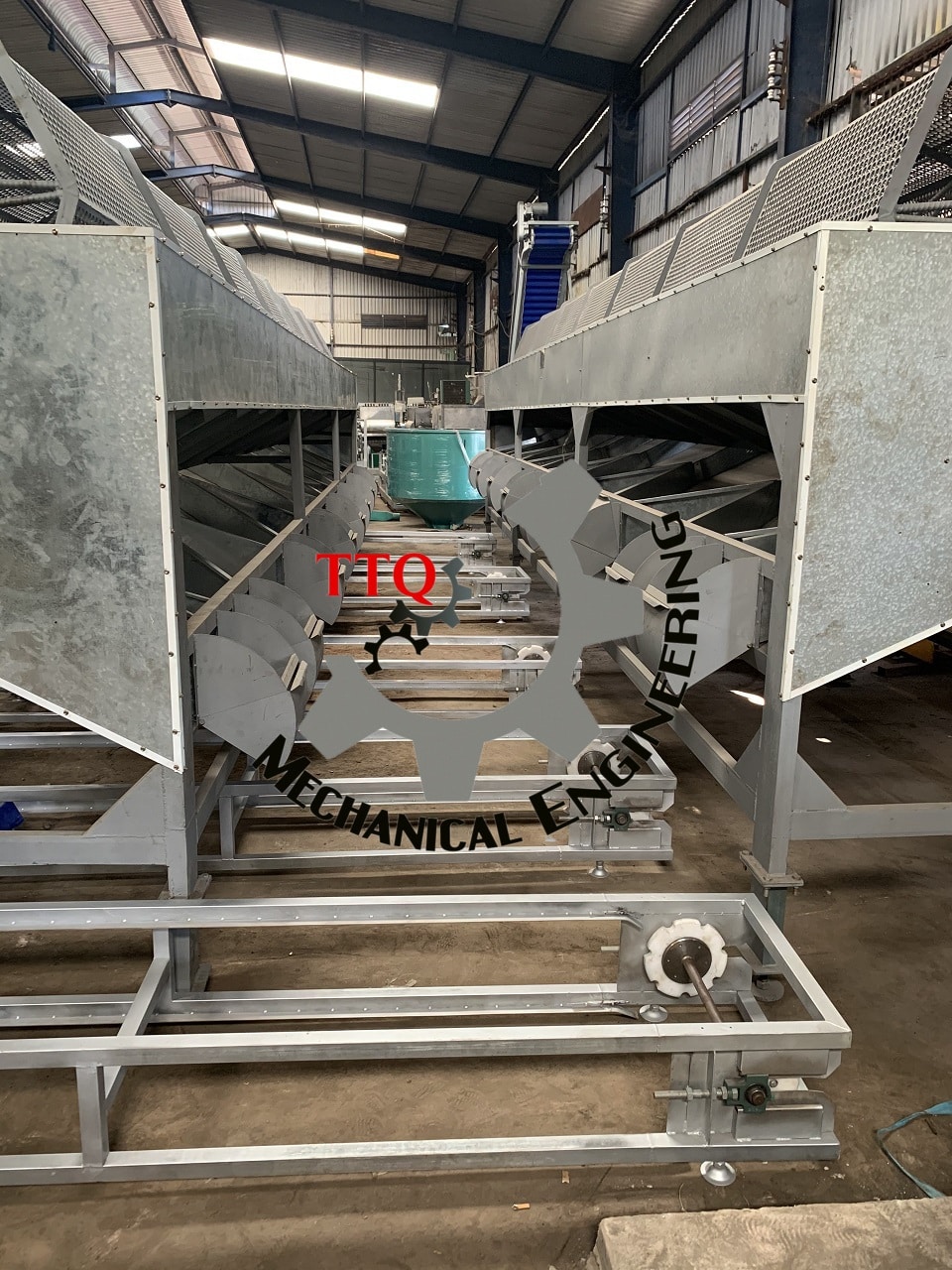
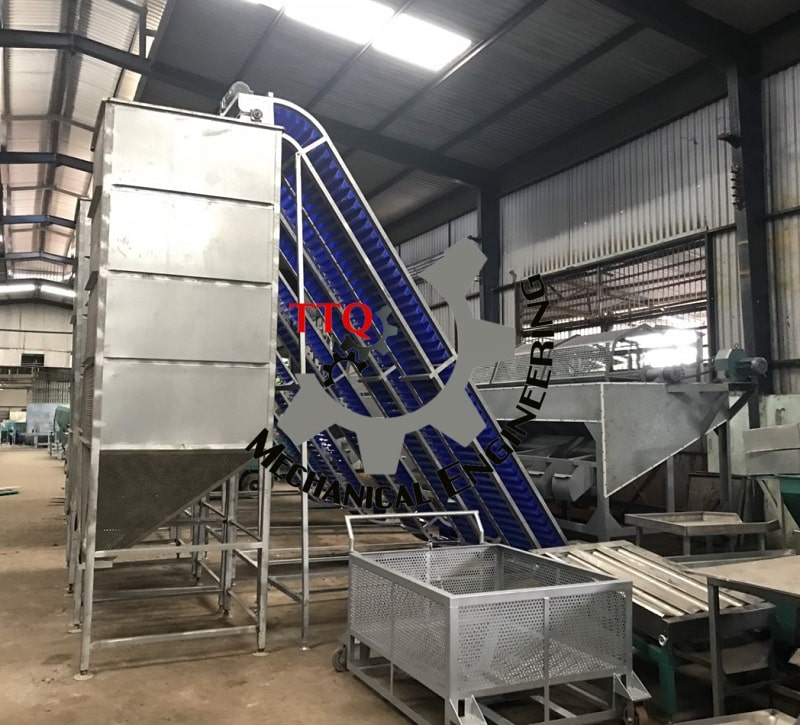
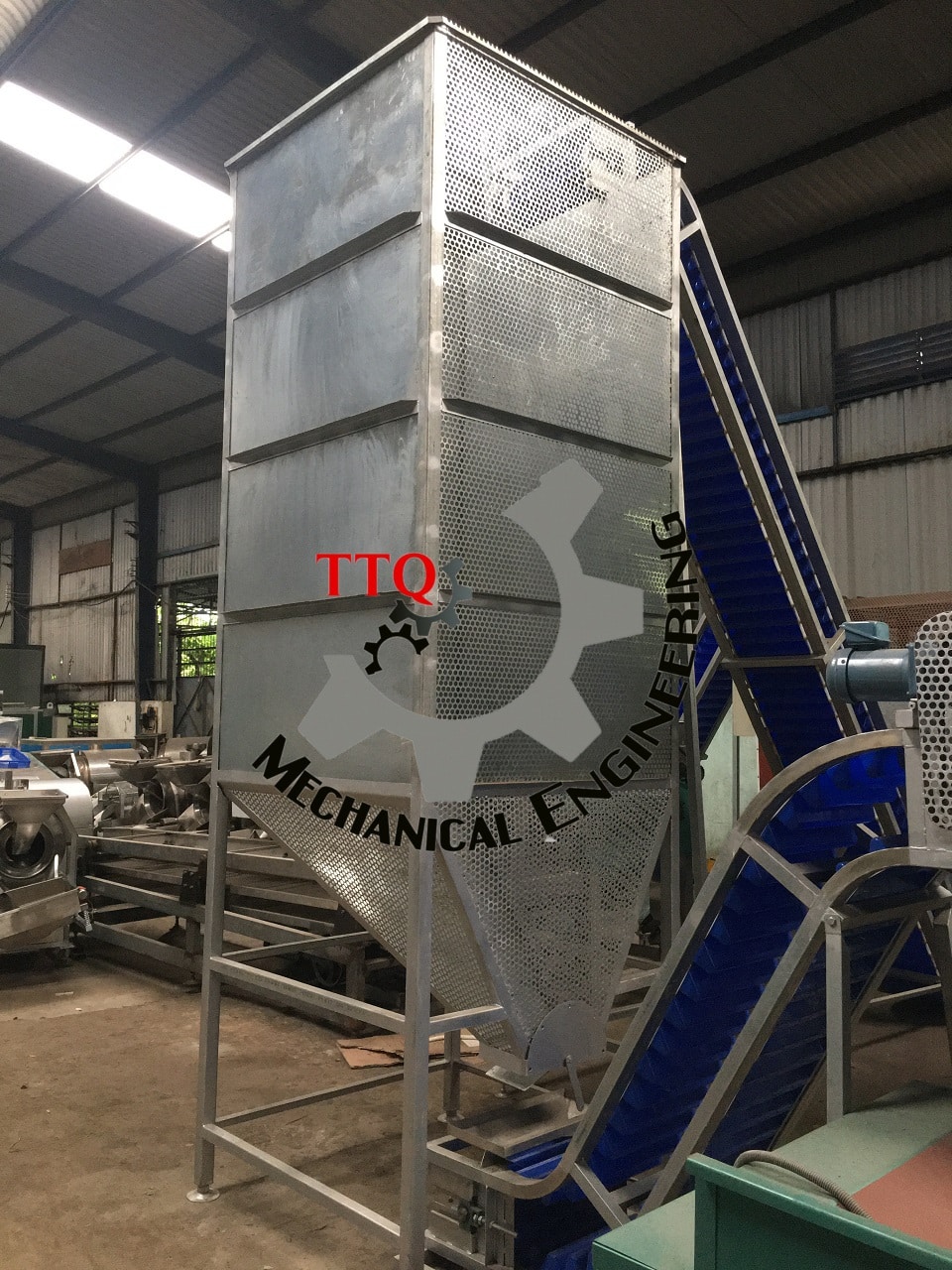
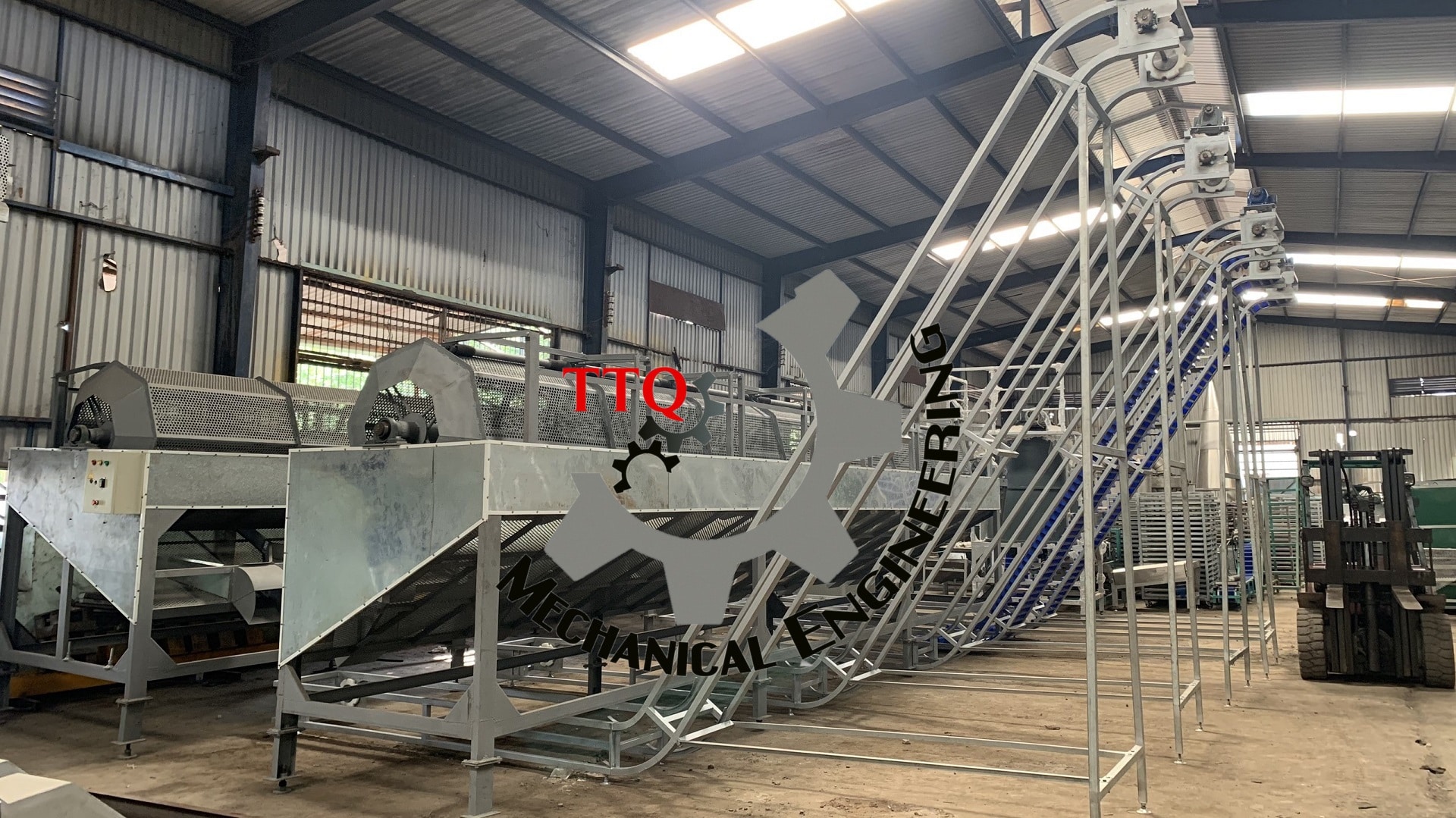
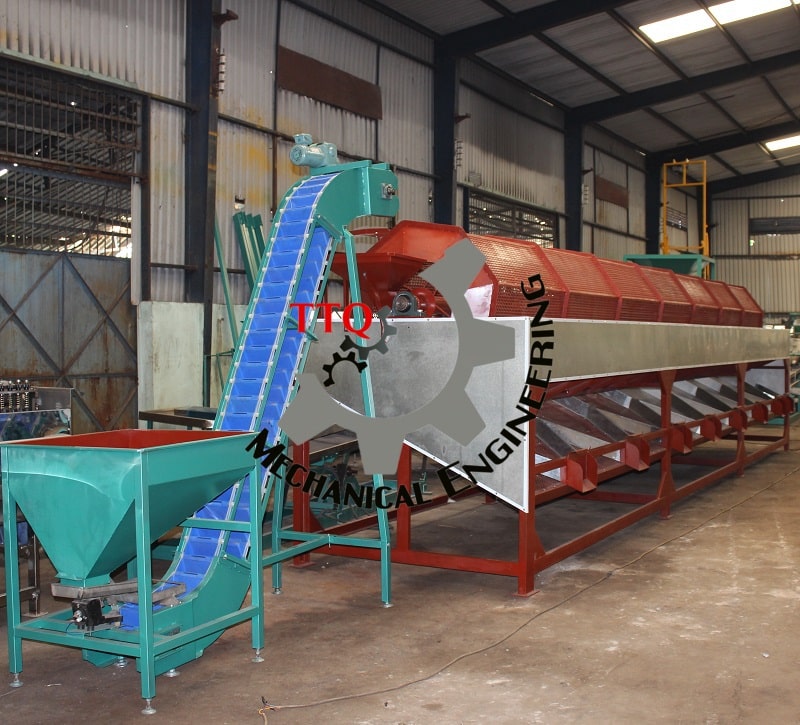
Raw cashew nuts arrive in 80 kg gunny bags, ungraded, straight from collectors or exporters. Before they reach the cutter, they need to be sorted into consistent size grades — feeding a cutter randomly-sized nuts drives up the broken percentage, since a blade gap set for one size crushes another. CASHEW TECH’s raw sorter handles this at up to 2 tons per hour, available in 3m, 6m, 9m, and 12m models, and comes complete with its own control panel. For larger projects, the sorter integrates with automatic vertical storage silos, cutting handling labour further.
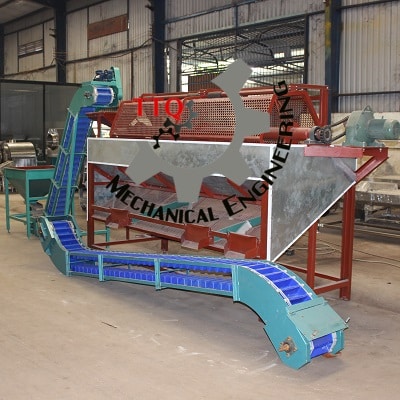
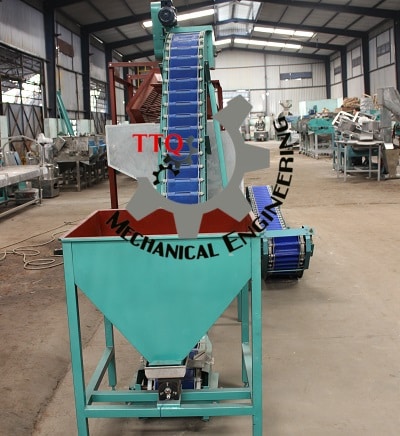
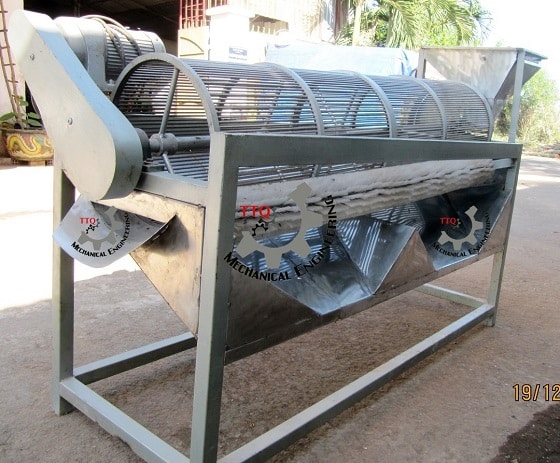
The mechanism is a rotating hexagonal mesh: nuts are dropped into bins, elevated automatically onto the mesh, and carried forward as it rotates. The mesh has holes of graduated sizes, so nuts drop through into the right bin as they reach the hole that matches their size — five grades come off the machine this way, A+ (largest) through D (smallest), though the mix of sizes a plant sees depends on the raw nut’s country of origin.
Kernel Size Sorting
After peeling, finished kernels need a second sort — this one classifies by size rather than raw-nut grade. A rotary sieve mounted with graduated discs separates kernels into wholes, broken pieces, and bits, with wholes further split into named export grades (W240, W320, W450, and the rest). Run well, this stage holds 90–95% classification accuracy with a crew of around two people.
For finer colour-based grading — separating white wholes from scorched or spotted kernels — plants pair this size sorting with a colour sorter, which uses optical detection to catch shade and defect differences a size-based sieve can’t. CASHEW TECH can advise and quote on this as part of a complete sorting and grading line.
Broken Kernel Sorting
A dedicated broken-sorting unit handles the pieces that don’t come off the line as wholes, running 150–200 kg/hour on a 1 Hp single-phase motor (220V–50Hz), in a compact 2.2 × 0.8 × 1.2 m footprint with three sorting doors. Running broken kernels through their own dedicated sort keeps them from diluting a whole-grade lot and recovers what value is left in the piece grades.
The Grades This Feeds
Cashew grading follows a standard set of internationally recognised codes, covering whites, scorched, and dessert kernels across every size and piece category:
| Grade | Description |
|---|---|
| WW180 | White Wholes 180 |
| WW210 | White Wholes 210 |
| WW240 | White Wholes 240 |
| WW320 | White Wholes 320 |
| WW450 | White Wholes 450 |
| WW500 | White Wholes 500 |
| FB / WB | Fancy Butts (White Butts) |
| FS / WS | Fancy Splits (White Splits) |
| LWP | Large White Pieces |
| SWP | Small White Pieces |
| BB | Baby Bits |
| SW180–SW500 | Scorched Wholes, by size |
| SB / SS / SP / SSP | Scorched Butts / Splits / Pieces / Small Pieces |
| DW / DB / DS / DP | Dessert Wholes / Butts / Splits / Pieces |
Source: AFI — American Food Institute
For how these grades are priced and traded, see the cashew grades reference and the AFI specifications for cashew kernels.
Where Sorting Fits in the Line
Raw sorting is the first real processing step, right after intake and before the cashew steaming machine and cashew cutting machine. Kernel sorting comes much later, right after the cashew peeling machine and just before the vacuum packing machine seals the graded output. See the full cashew machines hub or the end-to-end cashew manufacturing process to place both sorting stages in order.
Frequently Asked Questions
What is a raw cashew nut sorting machine? Raw cashew nuts are bought in bulk, ungraded, in 80 kg bags. This machine sorts them into consistent size grades before they reach the cutter, since feeding a cutter random sizes drives up breakage.
What sizes and capacities are available? The raw sorter comes in 3m, 6m, 9m, and 12m models, with infeed capacity from 500 kg/hour up to 2 tons/hour depending on model.
How does the raw sorter work? Nuts drop into bins, are elevated onto a rotating hexagonal mesh, and fall through graduated holes sized to match each grade, collecting separately as they’re sorted — five grades in all, A+ through D.
What level of automation does it have? The sorter runs automatically once loaded; manual labour is needed to fill the bins and collect the sorted bags, unless paired with the optional automatic silo storage system, which handles collection too.
Request a Quote
Tell us your throughput and whether you need raw sorting, kernel sorting, or both, and we’ll size the right equipment and quote it. Request a quote or book a consultation, or message us directly on WhatsApp from the button in the corner of any page.
Watch it in action