The cashew kernel is the edible, ivory-white seed recovered after a raw cashew nut is shelled and peeled. It is the part sold as “cashews” for eating, and it is traded by grade — classified by colour (white, scorched, dessert), size (count per pound) and wholeness (wholes, splits, butts, pieces). This page explains what the kernel is, how it is freed from the shell and skin, the forms it is sold in, an overview of grades, its nutrition, and how kernels are traded — with links to the full grades chart and price pages for the detail.
What Is a Cashew Kernel
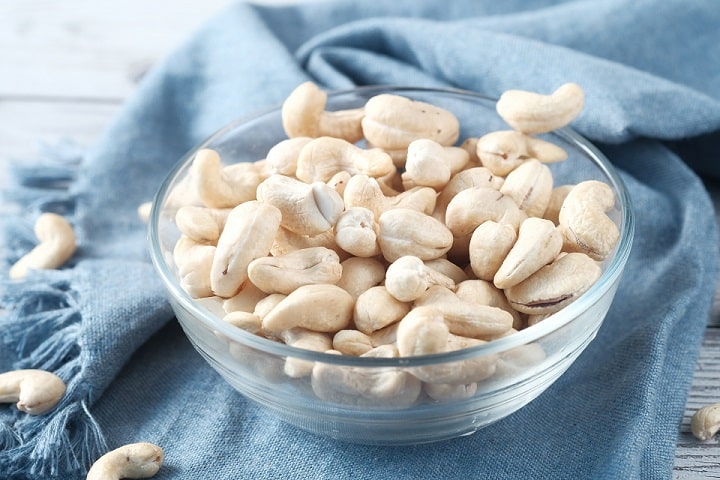
The kernel is the single seed of the cashew fruit — the ivory-white nut inside the hard shell. It differs from the whole cashew nut (which includes the shell) and from the testa (the thin red-brown skin peeled off it). Once cleaned to a white whole, it is the highest-value form of the crop.
From Shell to Kernel
Freeing an intact kernel takes two separate steps. First, shelling (cutting) splits the hard shell without cracking the seed. Then peeling removes the clinging testa after the kernel is dried. Because the shell holds caustic CNSL, the nut is steamed or roasted first to make the shell brittle and safe to open. Protecting the kernel whole through these steps is the whole game of processing — see the cashew manufacturing process.
Forms: Wholes, Splits, Pieces
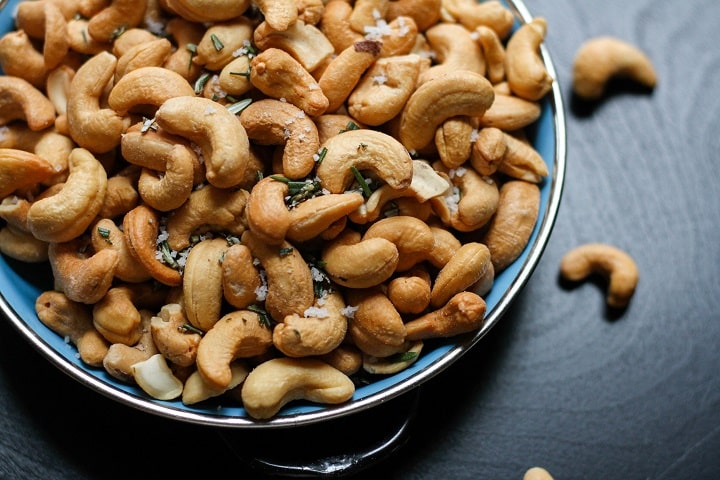
Not every kernel comes off the line intact, so kernels are sorted into forms that command different prices.
| Form | Description | Typical use |
|---|---|---|
| Whole | An intact, unbroken kernel | Premium retail, gifting, snacking |
| Split | A kernel cleanly halved along its natural seam | Cooking, bakery, mid-price retail |
| Butts | A whole kernel with one cotyledon broken off | Value retail, ingredients |
| Pieces (LWP/SWP) | Large or small broken white pieces | Confectionery, cashew butter, ingredients |
| Baby bits | The smallest fragments | Pastes, spreads, industrial food use |
Grades Overview
Whole white kernels are graded by size using a count-per-pound system: the lower the number, the larger the kernel. The benchmark trading grade is W320 (about 300–320 kernels per lb), with W240 a larger premium. Scorched and dessert grades cover kernels darkened by heat or blemish. The complete chart lives on the cashew grades page.
Nutrition
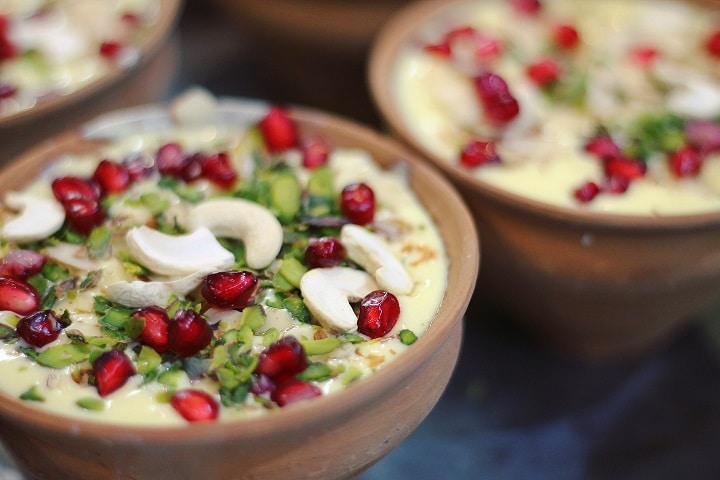
Cashew kernels are calorie-dense but rich in protein, unsaturated fats and minerals — a 28 g (1 oz) serving of raw kernels provides roughly 155 calories, 5 g protein and 12 g fat, with useful magnesium, copper and zinc. The consumer-health detail is on are cashew nuts good for you.
How Kernels Are Traded
Kernels are dried to a safe moisture (around 5%), graded, and vacuum- or nitrogen-packed in tins for export — commonly the 22.68 kg (50 lb) tin. Contracts reference grade and quality standards such as the AFI specifications, and shipments are classified under HS code 0801.32. Prices track grade, crop size and currency — see cashew kernels price per kg.
Frequently Asked Questions
What is the difference between a cashew nut and a cashew kernel? The cashew nut usually refers to the whole nut including its shell, while the kernel is the edible white seed recovered after the shell and testa are removed. In everyday use “cashews” means the kernels.
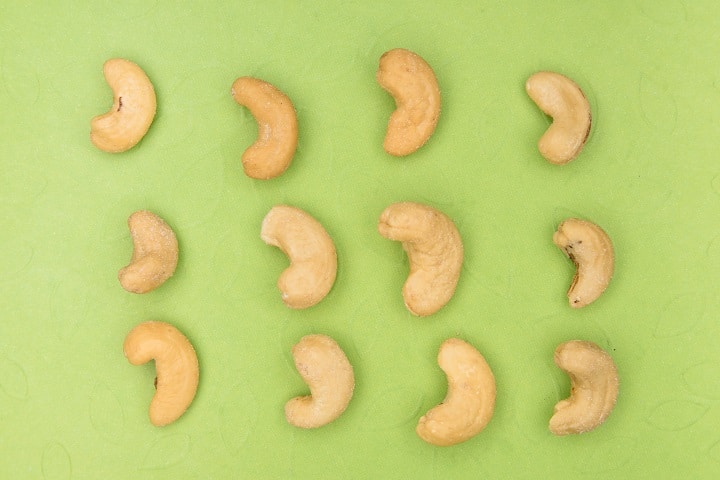
What are cashew kernel grades? Kernels are graded by colour (white, scorched, dessert), size (count per pound, e.g. W240, W320) and wholeness (wholes, splits, butts, pieces). See the full grades chart.
Are splits and pieces lower quality? They are the same edible kernel but broken, so they sell for less than whole grades. Quality (colour, freshness) can be identical; only the wholeness differs, which suits cooking and ingredient uses — or can be ground into cashew butter as a higher-margin value-added product.
How are cashew kernels made? The raw nut is conditioned (steamed or roasted), shelled to separate the kernel, dried, then peeled to remove the testa, and finally graded and packed. The goal is to recover as many intact white wholes as possible.