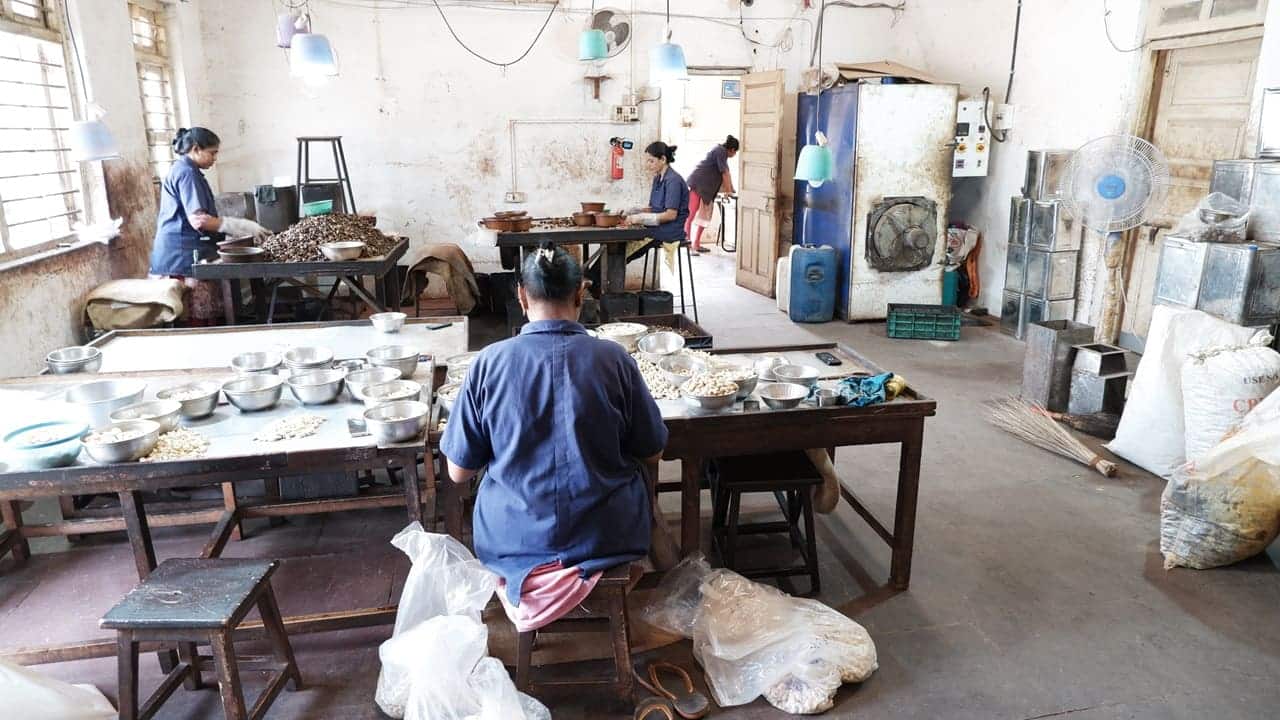
A cashew processing plant project report (DPR) is the bankable document that turns a factory idea into a financeable plan — the feasibility study a lender, investor, or subsidy scheme needs before it will fund a plant. CASHEW TECH prepares this report as a service: we model the capacity, the machinery and its cost, the raw-cashew-nut (RCN) sourcing, the operating costs, and the returns, and package it as a Detailed Project Report (DPR) you can take to a bank or a grant programme. Because we also design and build the turnkey plant, the numbers in the report are grounded in real machine specifications and real costs — not generic estimates — which is exactly what makes a DPR credible to a financier.
For a first-time processor, especially in a new market, the project report is where the venture is de-risked on paper before a single machine is bought.
What a Cashew Plant DPR Contains
A complete CASHEW TECH project report covers:
- Executive summary & promoter profile — the project at a glance.
- Market analysis — RCN supply, kernel demand, and price context for your region.
- Capacity & technology — plant size, machine selection, and process flow.
- Raw-material plan — RCN sourcing, seasonality, and working-capital needs.
- Capital cost (capex) — machinery, electricals, utilities, civil works, and installation.
- Operating cost (opex) — labour, power, fuel, maintenance, and consumables.
- Financials — revenue, margins, cash flow, break-even, ROI/IRR, and payback.
- Risk & sensitivity — outturn, price, and supply scenarios.
- Implementation schedule — the path from funding to first production.
The financial engine draws on the same figures as our cashew nut processing plant cost guide, sharpened to your specific plant.
Who Needs a Project Report
You need a DPR if you are applying for a bank loan or project finance, applying for a government subsidy or development grant, raising money from investors, or simply deciding whether the plant is worth building. In emerging markets, development lenders and subsidy schemes almost always require a formal feasibility study — see our financing, grants & subsidy guide for the funders who ask for one. A DPR is also the natural first step of a turnkey plant and pairs with our factory layout & plant design and advisory services.
Why a Report from the Plant Builder Is Stronger
Many DPRs are written by consultants who have never built a cashew line, so their numbers are guesses. Ours are grounded: the capacity, machine list, capex, outturn, and throughput come from plants we actually design and commission. That grounding is what makes the report stand up to a lender’s scrutiny and what stops a financed plant from missing the projections it was funded on. It also means the report flows straight into execution — the same team that models it can build it.
Get Started
Tell us your target capacity, location, and raw-nut supply, and we will prepare a project report. Request a quote or book a consultation, or message us on WhatsApp from the button in the corner of any page.
Frequently Asked Questions
What is a cashew processing plant project report? A bankable feasibility study — the Detailed Project Report (DPR) — covering market, capacity, machinery, capex, opex, RCN sourcing, and financial returns, prepared so a bank, investor, or subsidy scheme can fund the plant.
Do I need a DPR to get a loan or subsidy for a cashew plant? Almost always, yes. Banks, project financiers, and development/subsidy schemes require a formal feasibility study before funding.
What does the report include? Executive summary, market analysis, capacity and technology, RCN sourcing, capex and opex, financials (ROI/IRR, break-even, payback), risk analysis, and an implementation schedule.
Why get the report from CASHEW TECH? Because we also design and build the plant, so the report’s numbers are grounded in real machine specs and costs — credible to lenders and reliable in execution.