The core trade-off in cashew cutting is simple: manual and semi-automatic cutting give the highest whole-kernel recovery (WKR) and need little capital, but they are labour-intensive; automatic cutting lines give high throughput and low labour, but need well-calibrated feed and can trim WKR slightly. Which is right depends on your labour cost, target capacity and how consistently sized your raw nuts are — and many plants run a hybrid, cutting the bulk automatically while hand-cutting larger or trickier grades. This page compares the two on recovery, throughput, cost and safety, and shows when each makes sense.
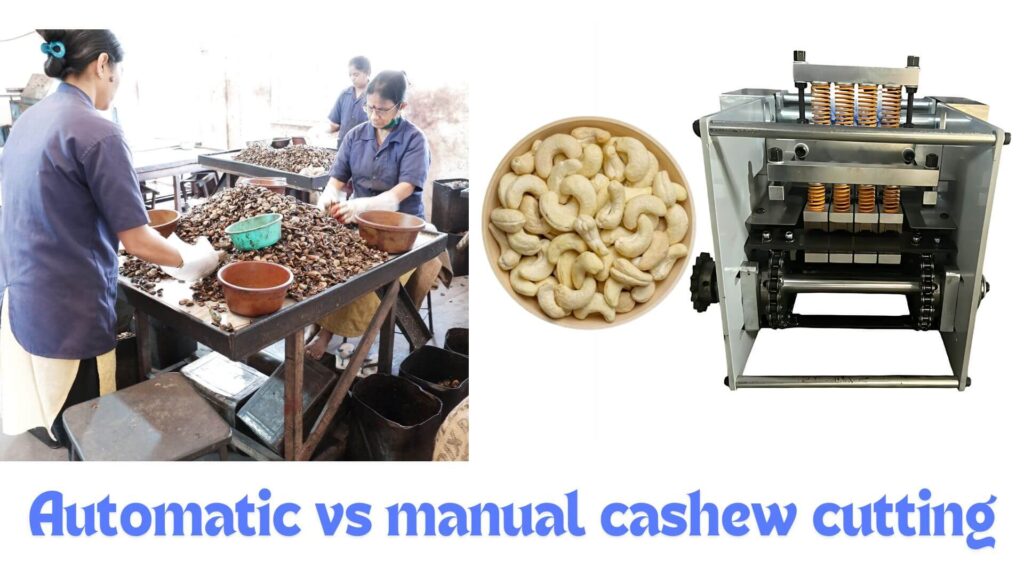
How Each Method Works
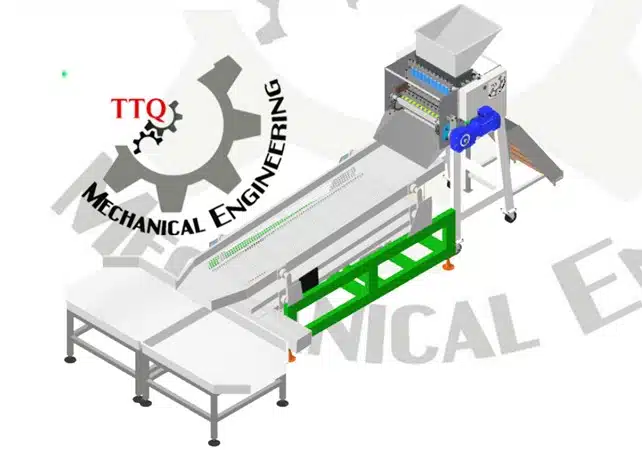
Manual/semi-automatic cutting uses a foot- or hand-operated cutter: the operator aligns a conditioned nut on the platform and brings a shaped blade down to split the shell along its seam, then the kernel is scooped out. Automatic lines feed nuts from a hopper, orient each one, and split it with paired mechanical cutting blades before separating kernels and shells — no lasers or water jets, just precise mechanical cutters matched to nut size.
Whole-Kernel Recovery Compared
Skilled hand and semi-auto cutting still tends to give the highest WKR, because a person adapts to each nut. Automatic lines have narrowed the gap but can lose a little WKR unless the feed is well-calibrated. Since broken kernels sell at a steep discount, a small WKR difference matters — which is why calibrated feed is essential on automatic lines.
Throughput & Capacity
This is where automation wins decisively. A skilled worker hand-cuts about 10–15 kg of raw nuts a day; a fully automatic line can reach up to about 1,000 kg per hour. For export-scale capacity, only mechanised lines keep up.
Comparison Table
| Factor | Manual / semi-auto | Automatic line |
|---|---|---|
| Whole-kernel recovery | Highest | Slightly lower |
| Throughput | ~10–15 kg/worker/day | Up to ~1,000 kg/hour |
| Labour | High | Low |
| Capital cost | Low | High |
| Feed calibration | Forgiving | Critical |
| Best for | Low labour cost, smaller scale | High capacity, scarce labour |
Labour vs Capital Cost
The economics hinge on labour cost versus capital. Where labour is cheap and plentiful, manual/semi-auto cutting keeps capex low and WKR high. Where labour is scarce or expensive, an automatic line’s high throughput and low headcount pay back the investment. Model both against your capacity and wage bill.
Nut Sizing / Calibration Dependence
Automatic cutting only reaches its rated WKR on well-calibrated, uniformly sized nuts — off-size nuts escape the blade or get crushed. Manual cutting is more forgiving of size variation. Good size grading before cutting is therefore doubly important on an automatic line.
Health & Safety
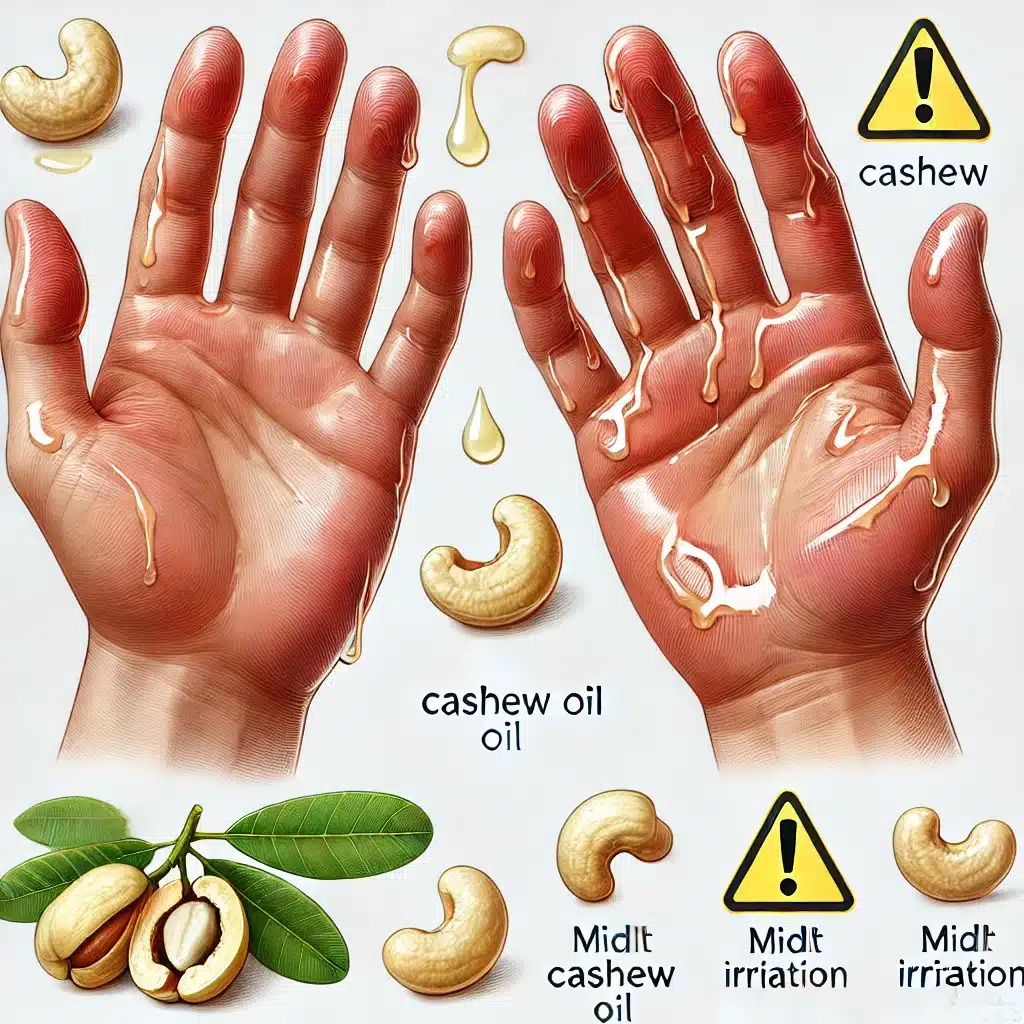
Cutting exposes workers to the shell’s caustic CNSL (anacardic acid), which irritates and burns skin, plus sharp blades. Automation reduces direct exposure and repetitive strain, improving the working environment when paired with good ventilation. Conditioning the nuts first also lowers the CNSL hazard.
When to Choose Which
Choose manual/semi-auto for smaller scale, low labour cost, or where maximum WKR on premium grades matters most. Choose an automatic line for high capacity and where labour is scarce or costly. A hybrid — automatic for the bulk, hand-cutting for large or difficult grades — often gives the best of both. See the first-cutting-machine guide, cutting time and yield optimisation.
Frequently Asked Questions
Is automatic or manual cashew cutting better? Neither is universally better. Manual/semi-auto gives higher whole-kernel recovery at low capex but needs lots of labour; automatic gives high throughput and low labour but needs calibrated feed. The right choice depends on labour cost and scale.
Which gives higher whole-kernel yield? Skilled manual and semi-automatic cutting usually give the highest whole-kernel recovery, because the operator adapts to each nut. Automatic lines are close but can lose a little WKR without well-calibrated feed.
How much labour does manual cutting need? A great deal — a skilled worker cuts only about 10–15 kg of raw nuts a day, so commercial hand-cutting needs many operators, which is the main cost of the method.
When is an automatic line worth it? When you need high capacity or labour is scarce or expensive. The high throughput (up to ~1,000 kg/hour) and low headcount pay back the capital, provided you feed it well-calibrated nuts.